
BEACON
DESIGNED BY LEE BROOM

.png)

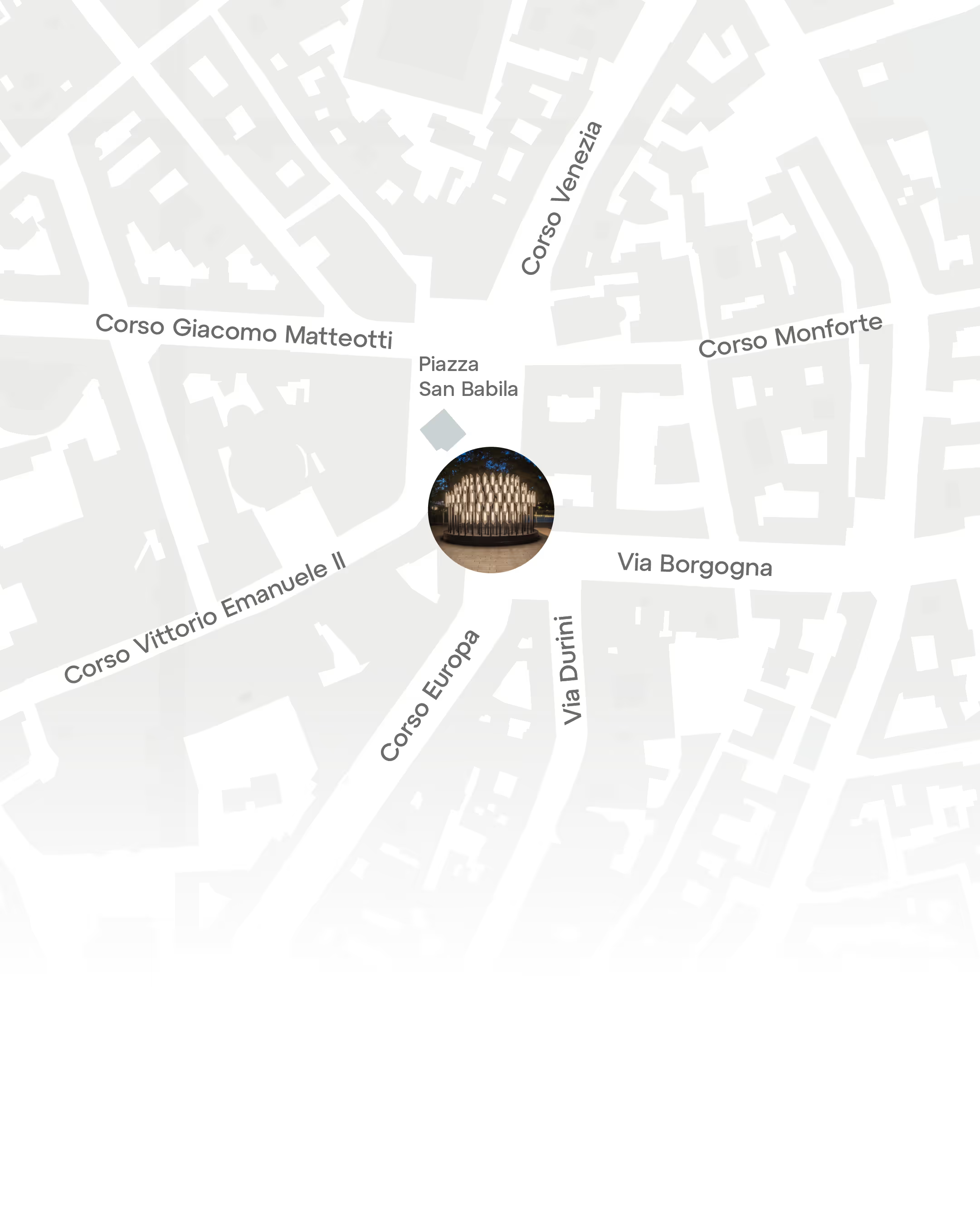
Piazza San Babila, Milan
20—26 April 2026
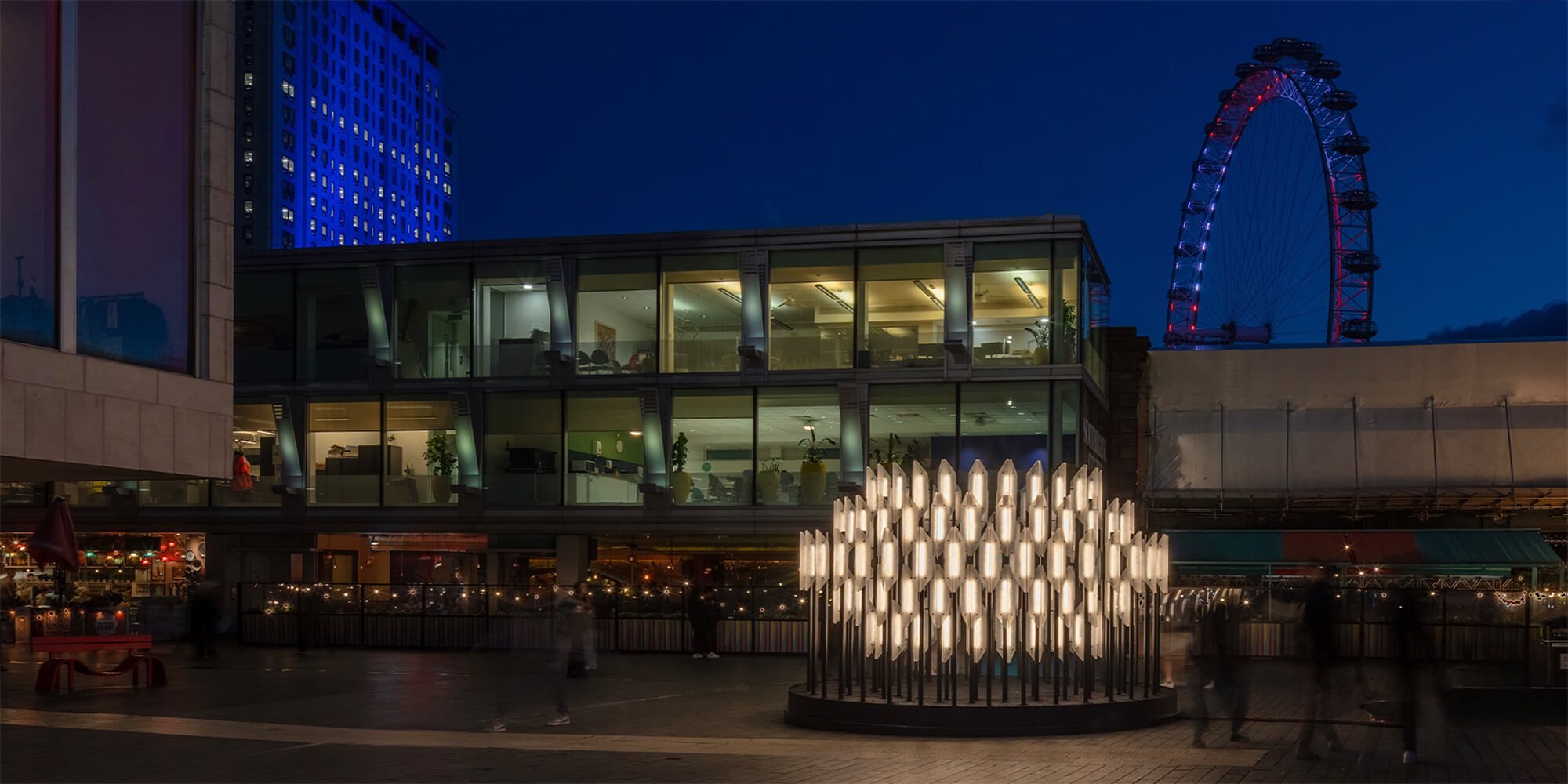
BEACON is a monumental lighting installation designed by the renowned British designer Lee Broom. During Milan Design Week 2026, it will be positioned in the heart of Milan at Piazza San Babila, a well-established destination for designers and the wider creative scene.
BEACON was first unveiled at the London Design Festival 2025 as one of the festival’s official Landmark Projects. It then remained in place as a key installation for the Southbank Centre Winter Light festival, running to January 2026. The design draws inspiration from Brutalist architecture and the legacy of the Festival of Britain 1951, once heralded as a ‘beacon of change’.
Made using a special technology developed to upcycle discarded glass fragments, BEACON reinterprets classic street lamps to form a structure that collectively resembles a vast sculptural chandelier. It has been sustainably constructed so that its components can be repurposed into individual light fixtures after deinstallation, ensuring both beauty and longevity.
lee broom

Lee Broom is one of the UK’s leading product designers and a premium global design brand. With his highly original collections of luxury furniture and lighting designs, his work is recognised and retailed across the globe. Since founding the company in 2007, he has created over 100 furniture, accessory and lighting pieces, all of which are designed, manufactured and retailed under the Lee Broom brand. He has also collaborated with leading global brands including Christian Louboutin, Mulberry, Bergdorf Goodman, Rémy Martin XO and Wedgwood.
production process
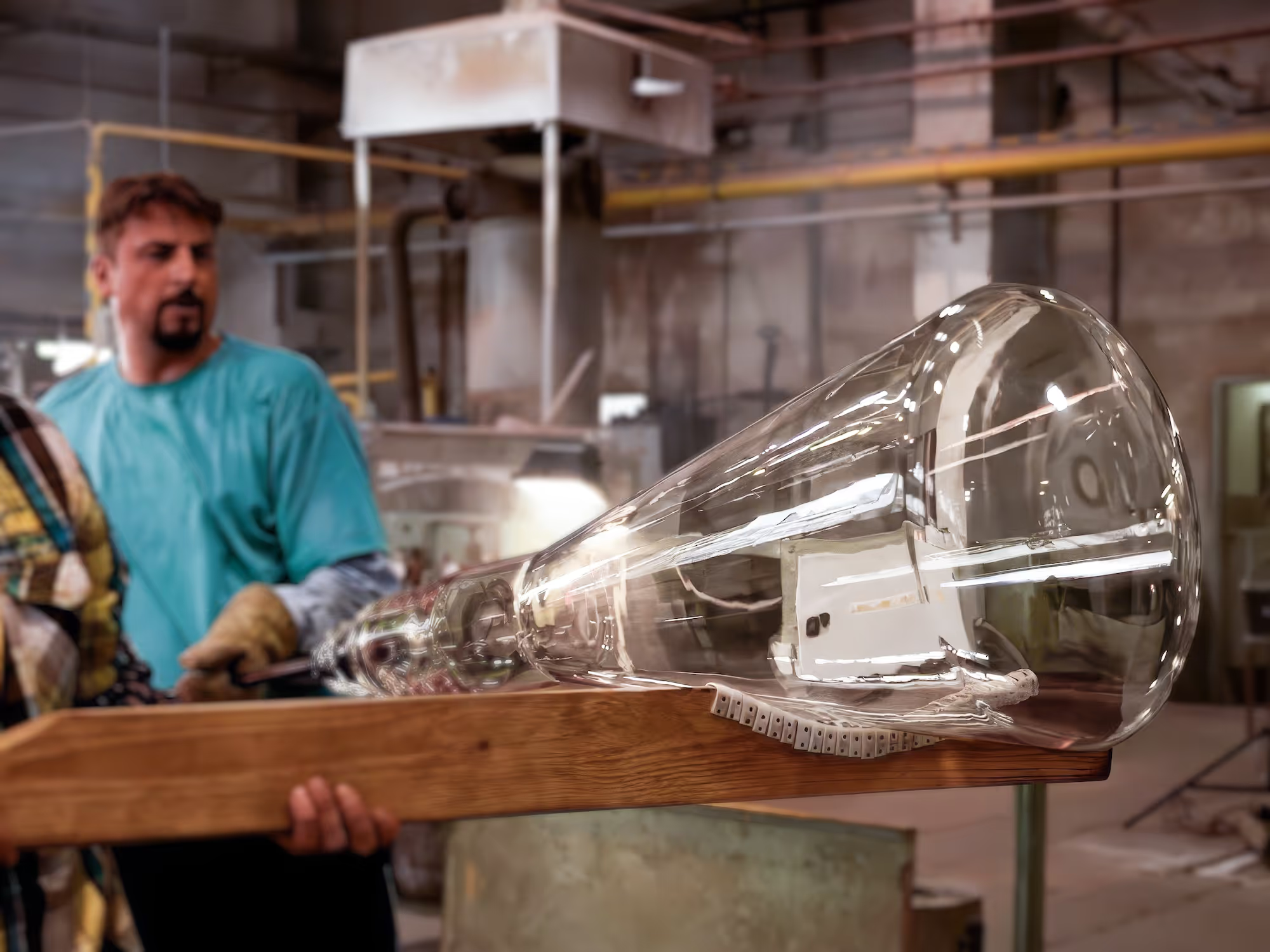
The robust BEACON light installation is composed of 292 BROKISGLASS segments, created through the recycling of waste glass from the Janštejn Glassworks. The recycling process begins with hand blown glass, during the production of which up to 30% of high-quality glass material is discarded as waste. At Janštejn Glasswork, however, these glass shards are then recycled in a fusing kiln, where they are cut using a water jet and shaped into a decorative pattern reminiscent of wood grain texture.Explore the production process of the glass components used in the BEACON installation in the following photographs.
production process
The robust BEACON light installation is composed of 292 BROKISGLASS segments, created through the recycling of waste glass from Janštejn Glassworks. The recycling process begins with handblown glass, during the production of which up to 30% of high-quality glass material is discarded as waste. At Janštejn Glassworks, however, these glass shards are then recycled in a fusing kiln, where they are cut using a water jet and shaped into a decorative pattern reminiscent of wood grain texture. Explore the production process of the glass components used in the BEACON installation in the following photographs.
Get to know the production of the glass components of the Beacon installation in the following photos.
raw material

blown glass
Trimming
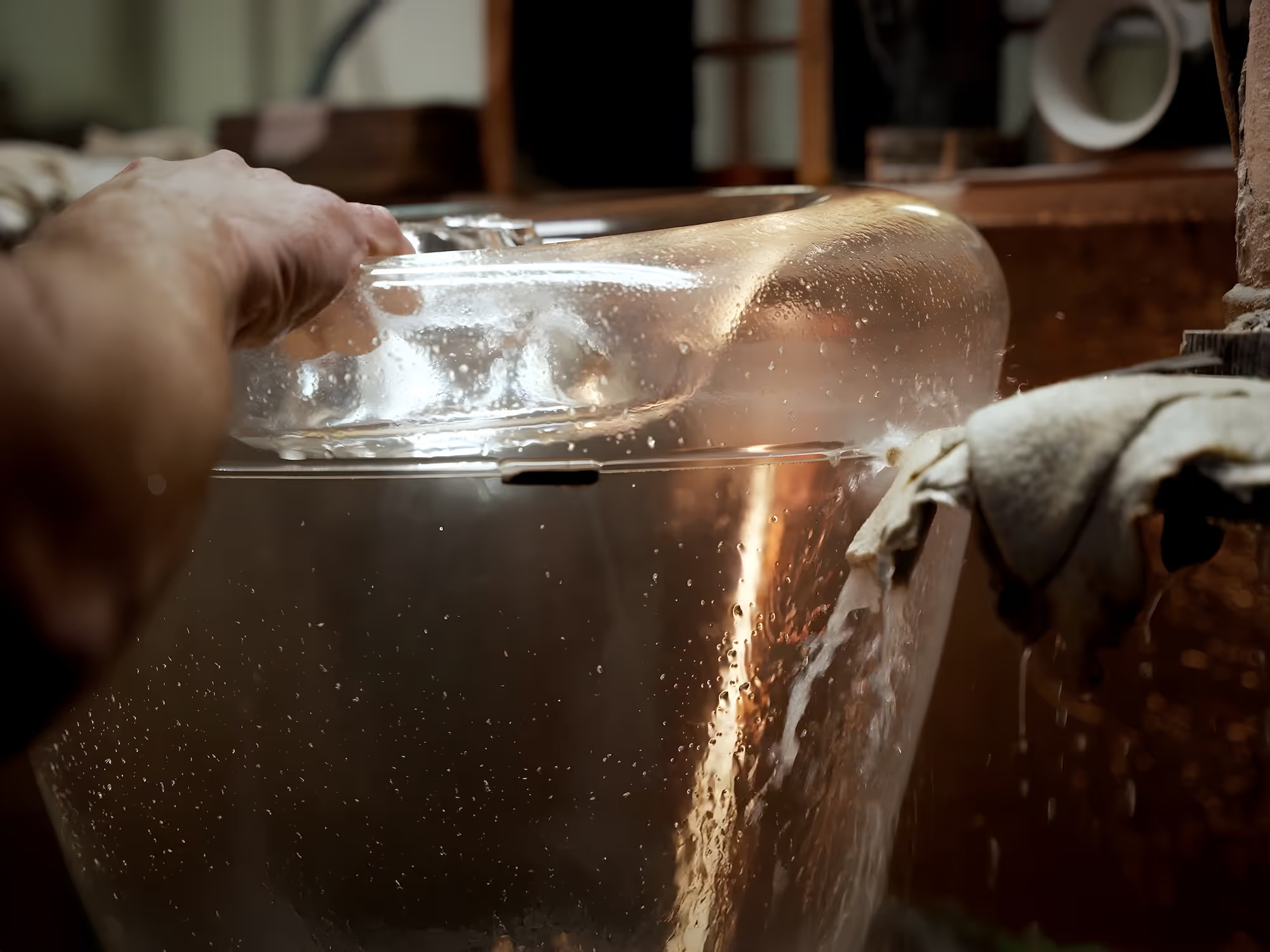
shards

storing

sorting

Melting
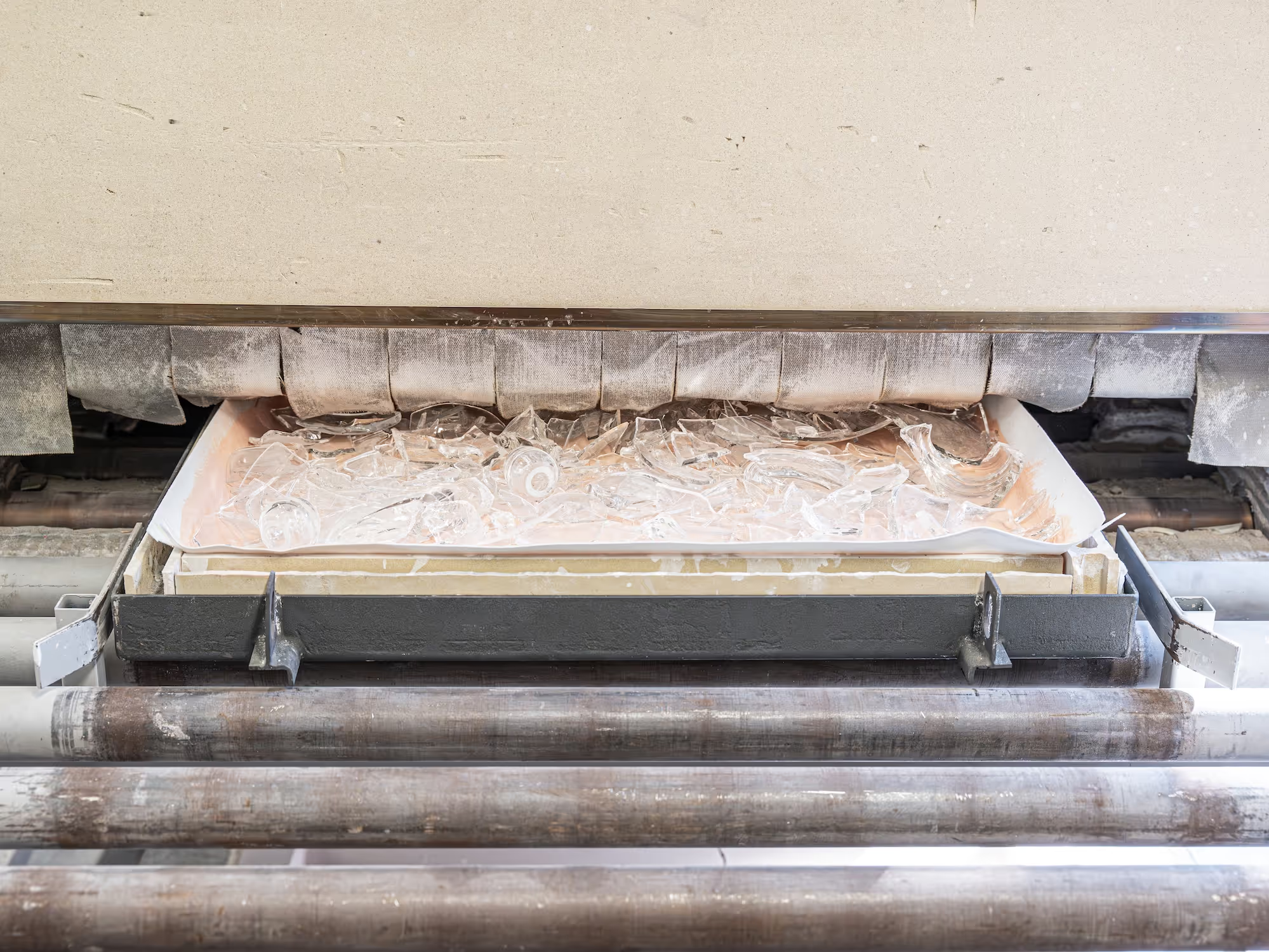
panels
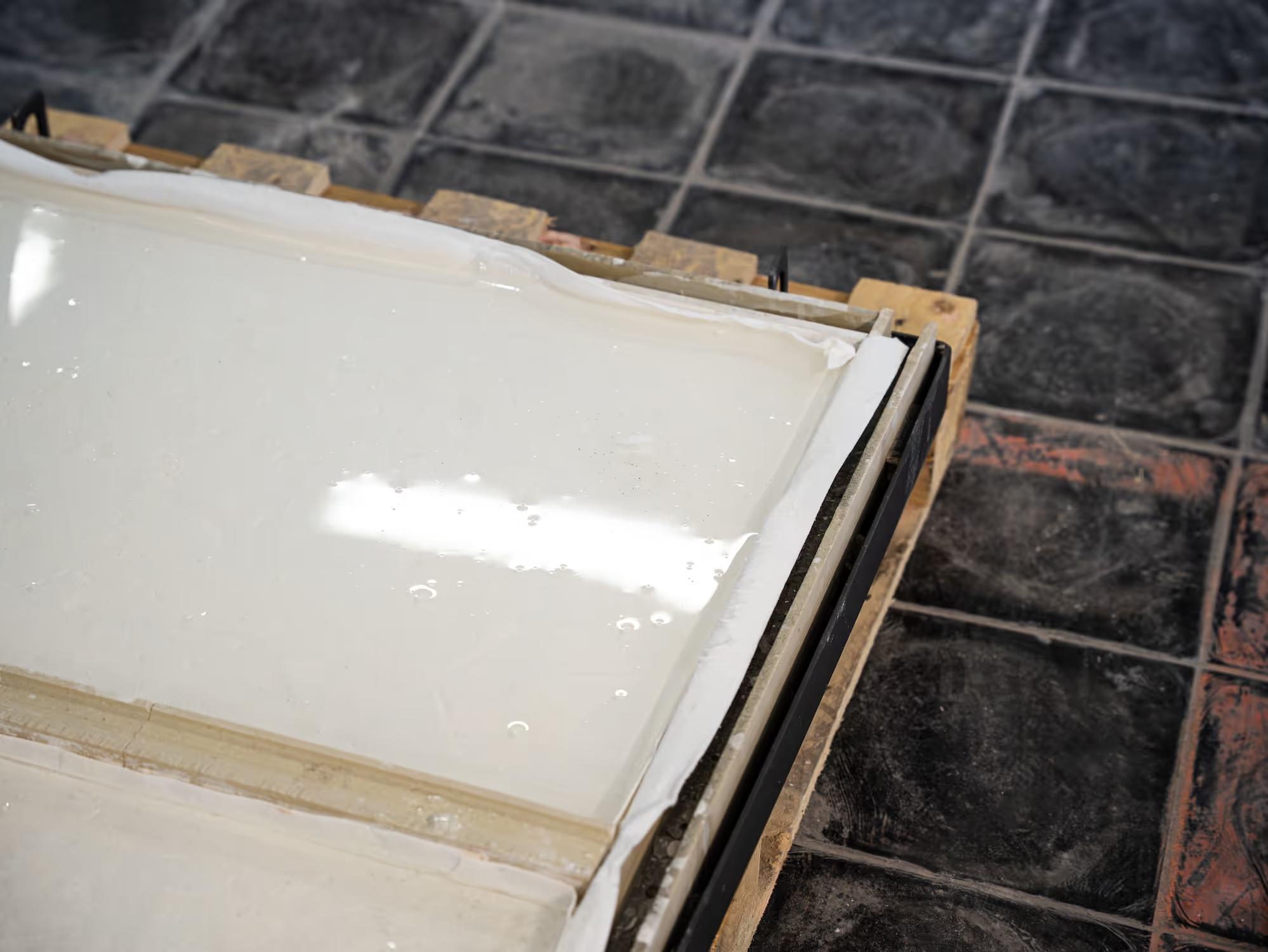
water jet cutting
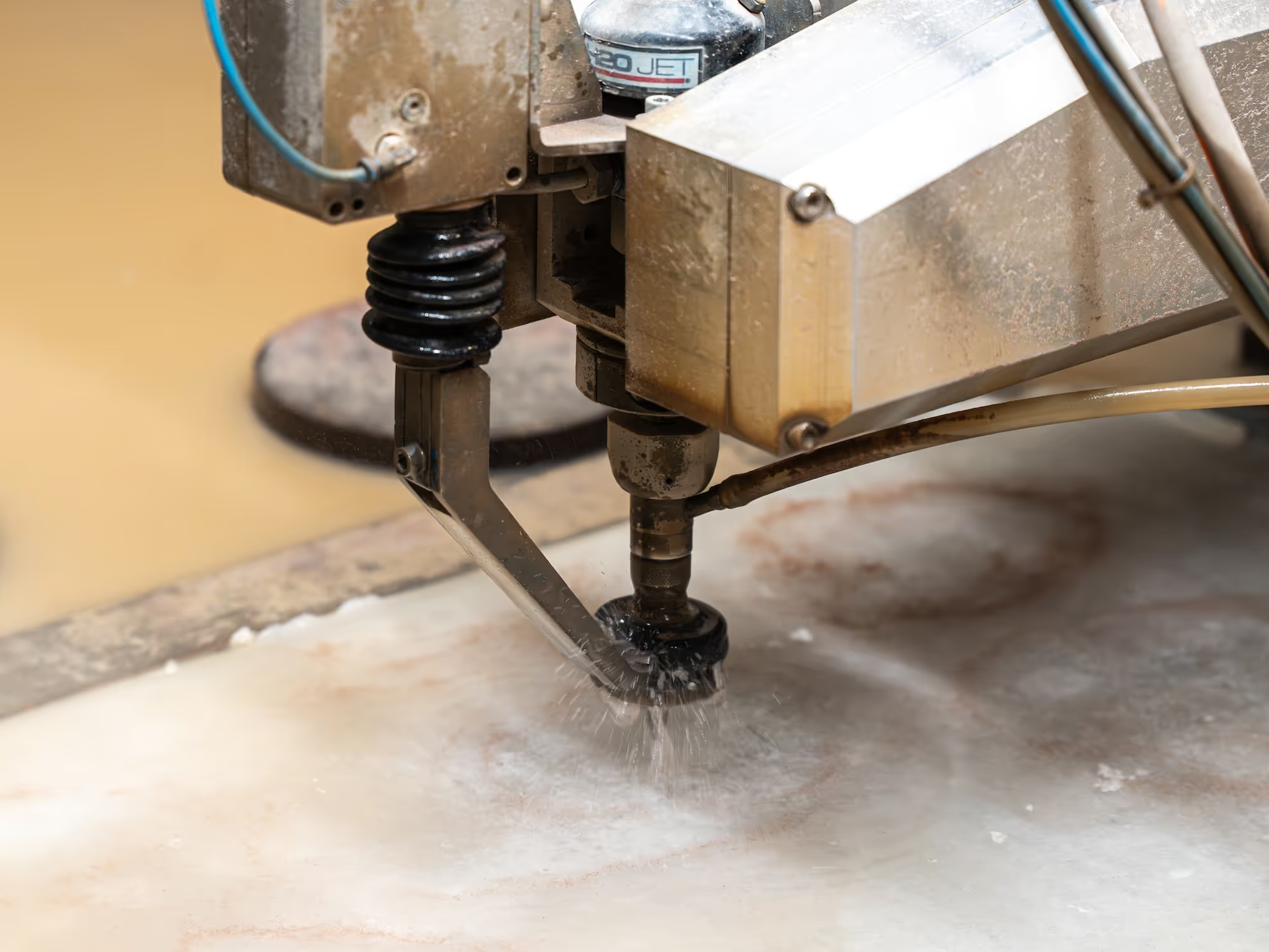
final product

sustainability
BROKISGLASS products are certified per the Life Cycle Assessment (LCA) methodology. Following successful completion of the process, an internationally recognized Environmental Product Declaration (EPD) was issued. This comprehensive document provides measurable data on the environmental impact of the products throughout their life cycle.
MORE information

beacon in numbers
4.9 × 3 × 4.9 m
INSTALLATION DIMENSION
(W × H × L)
292 pcs
GLASS PANELS
584 kg
TOTAL WEIGHT OF GLASS PANELS
2 kg
WEIGHT OF ONE PANEL
.jpg)