
senza fine
DESIGN SIMONA SBORDONE
The Story
This collection is our contribution to a sustainable future, where every choice matters and every step leads to a better tomorrow.
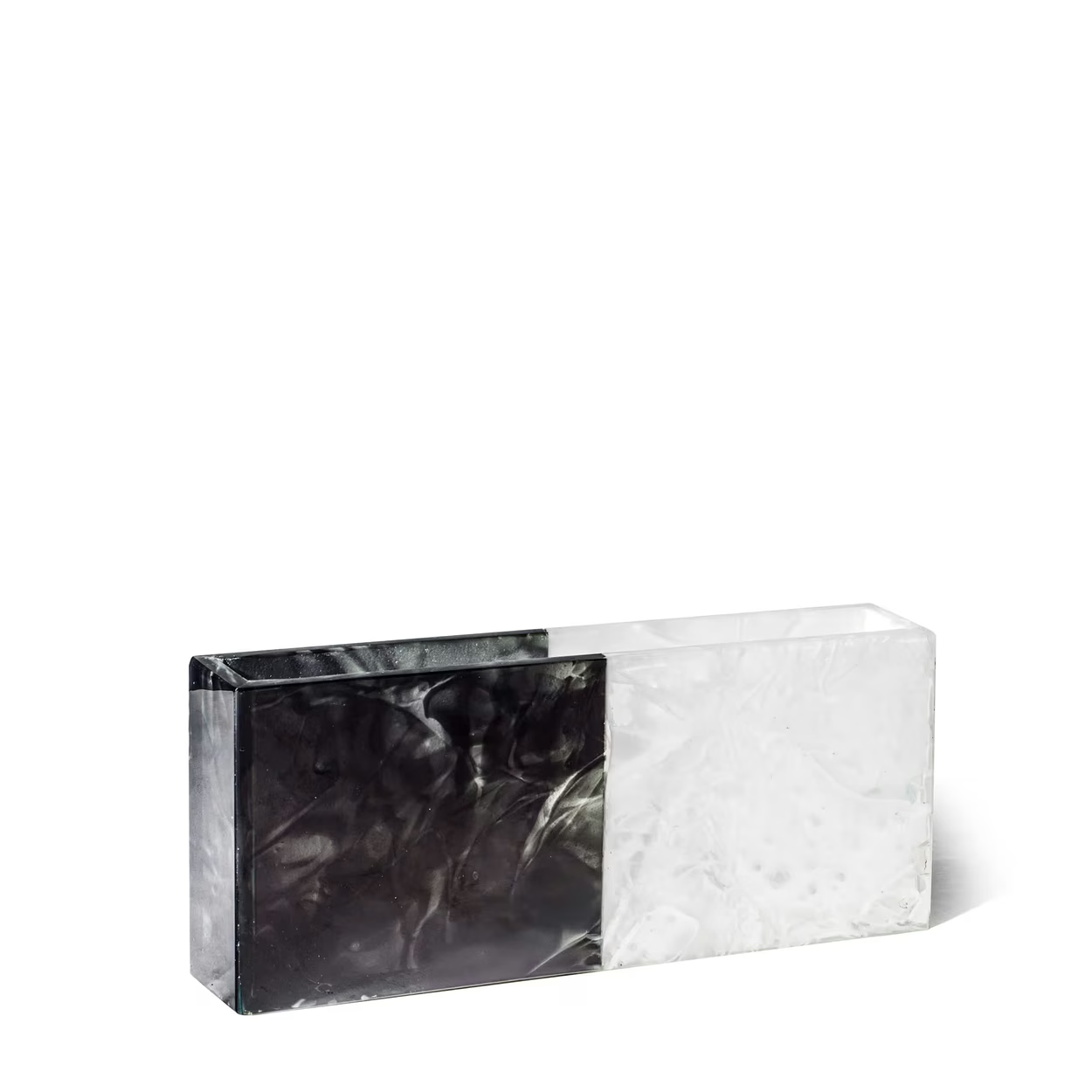
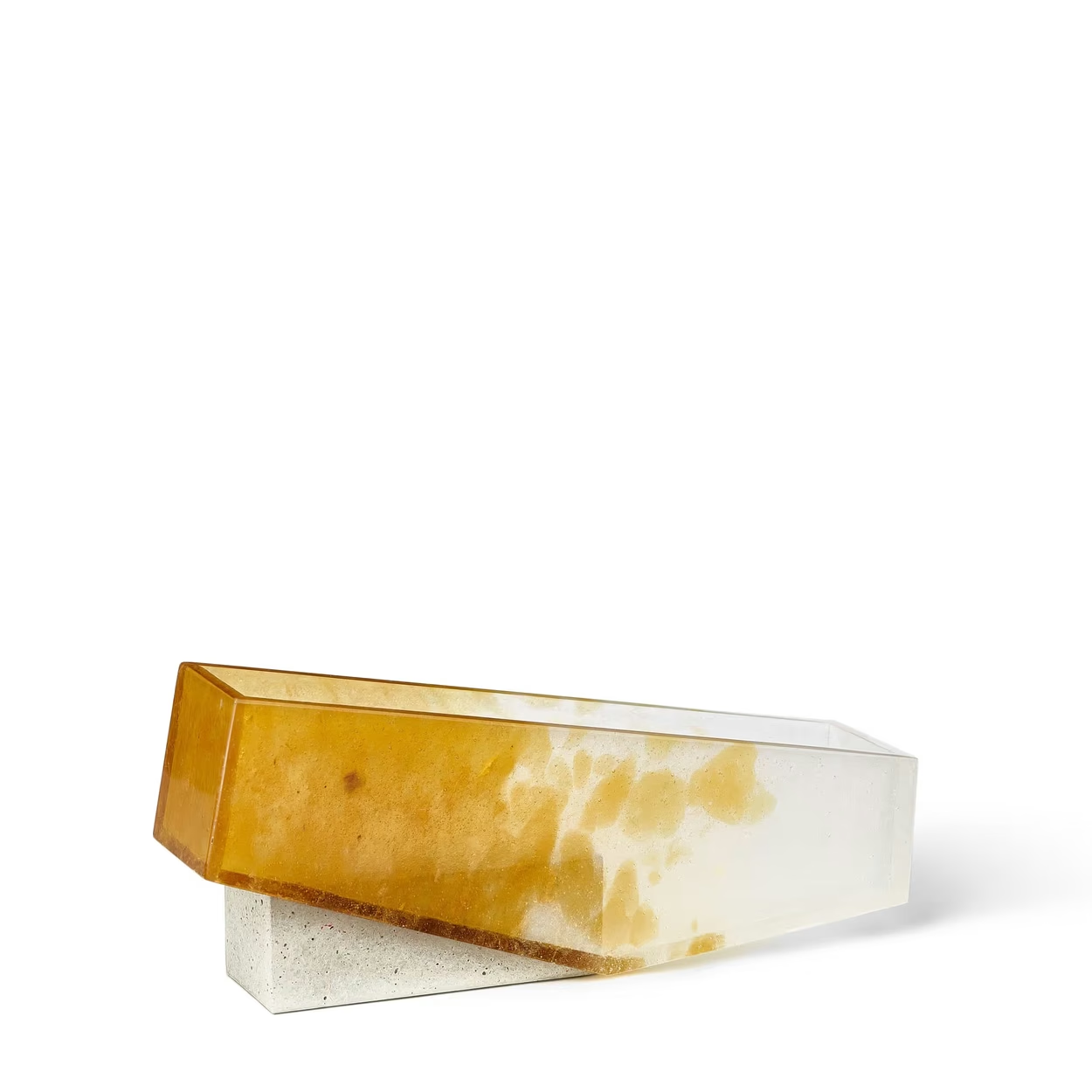
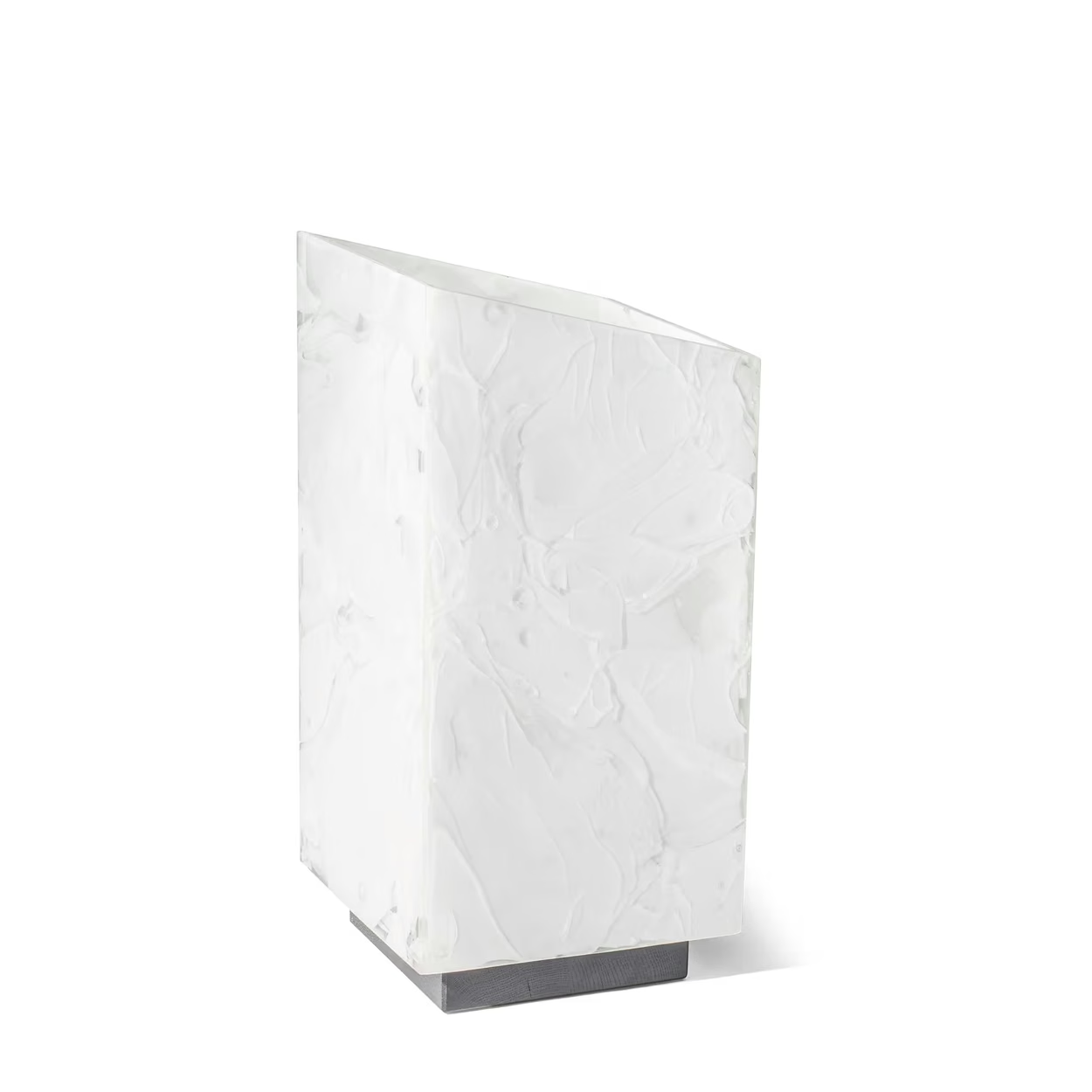
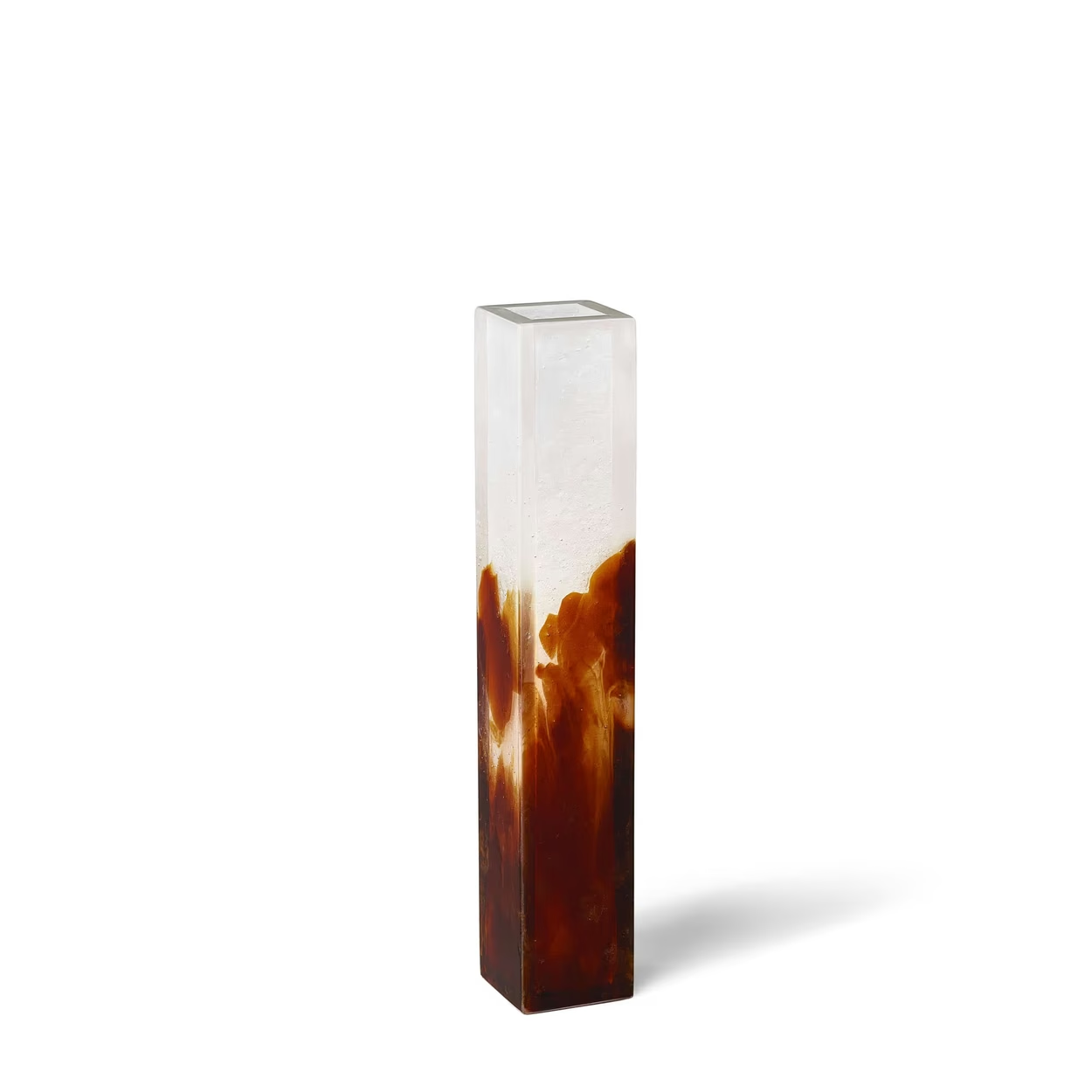
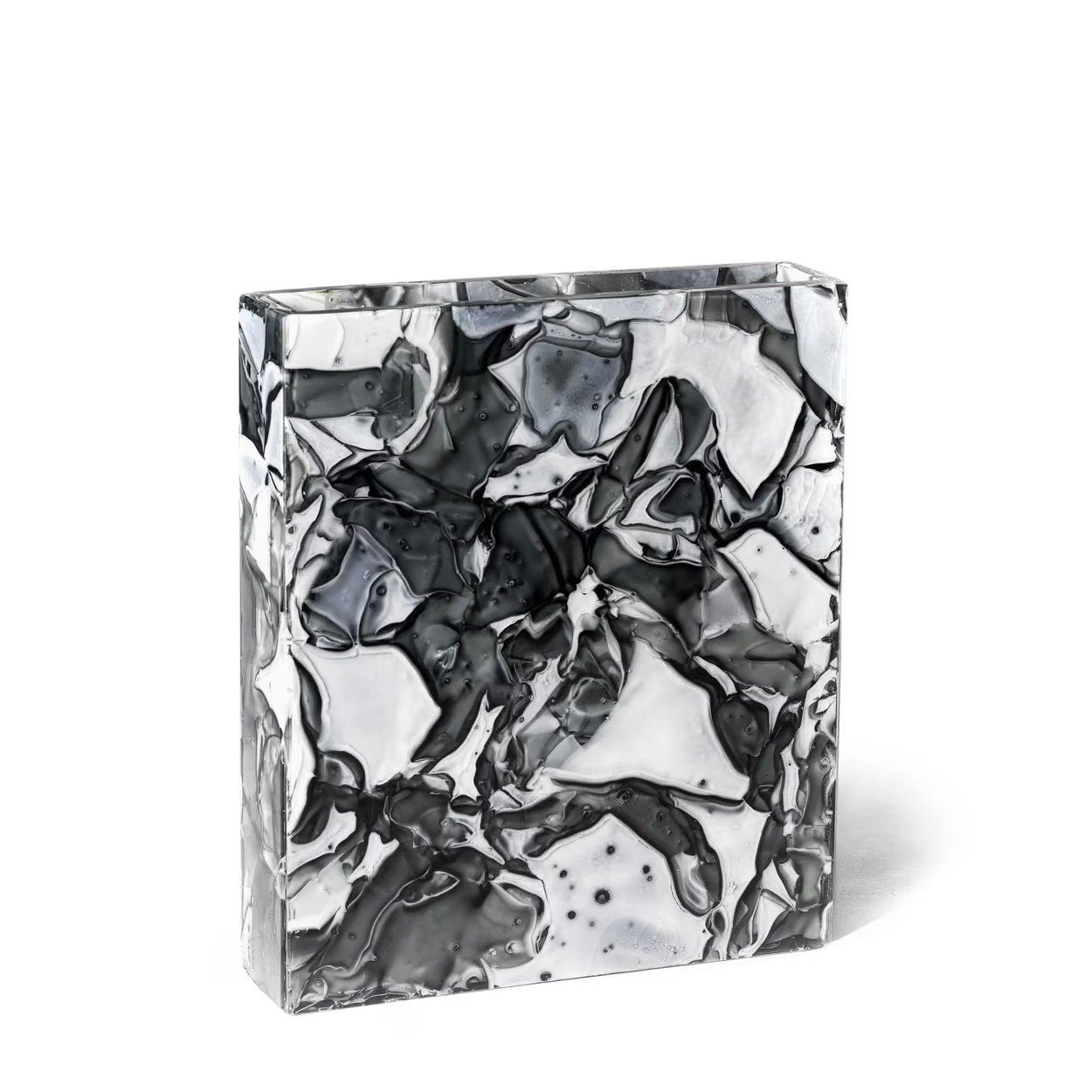
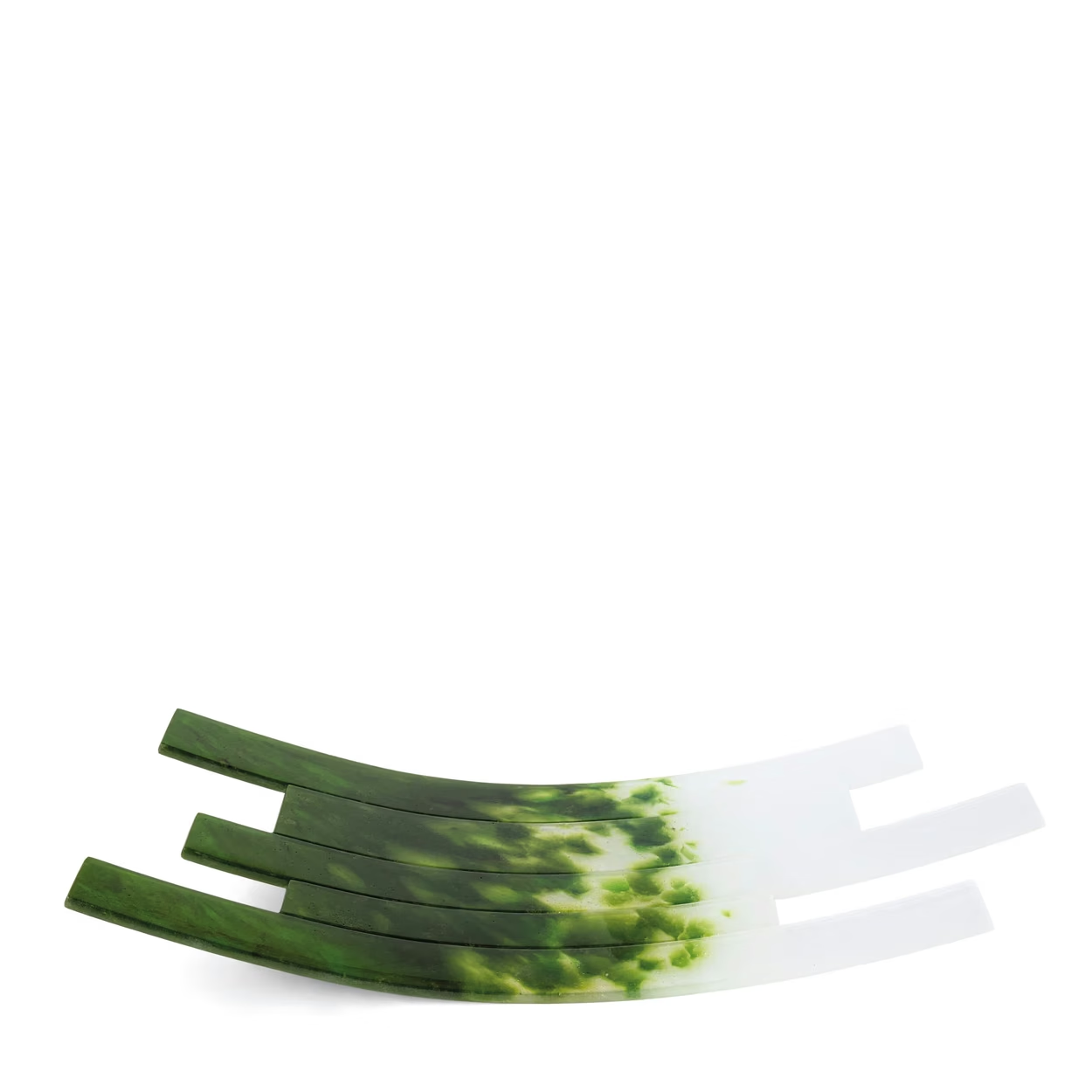
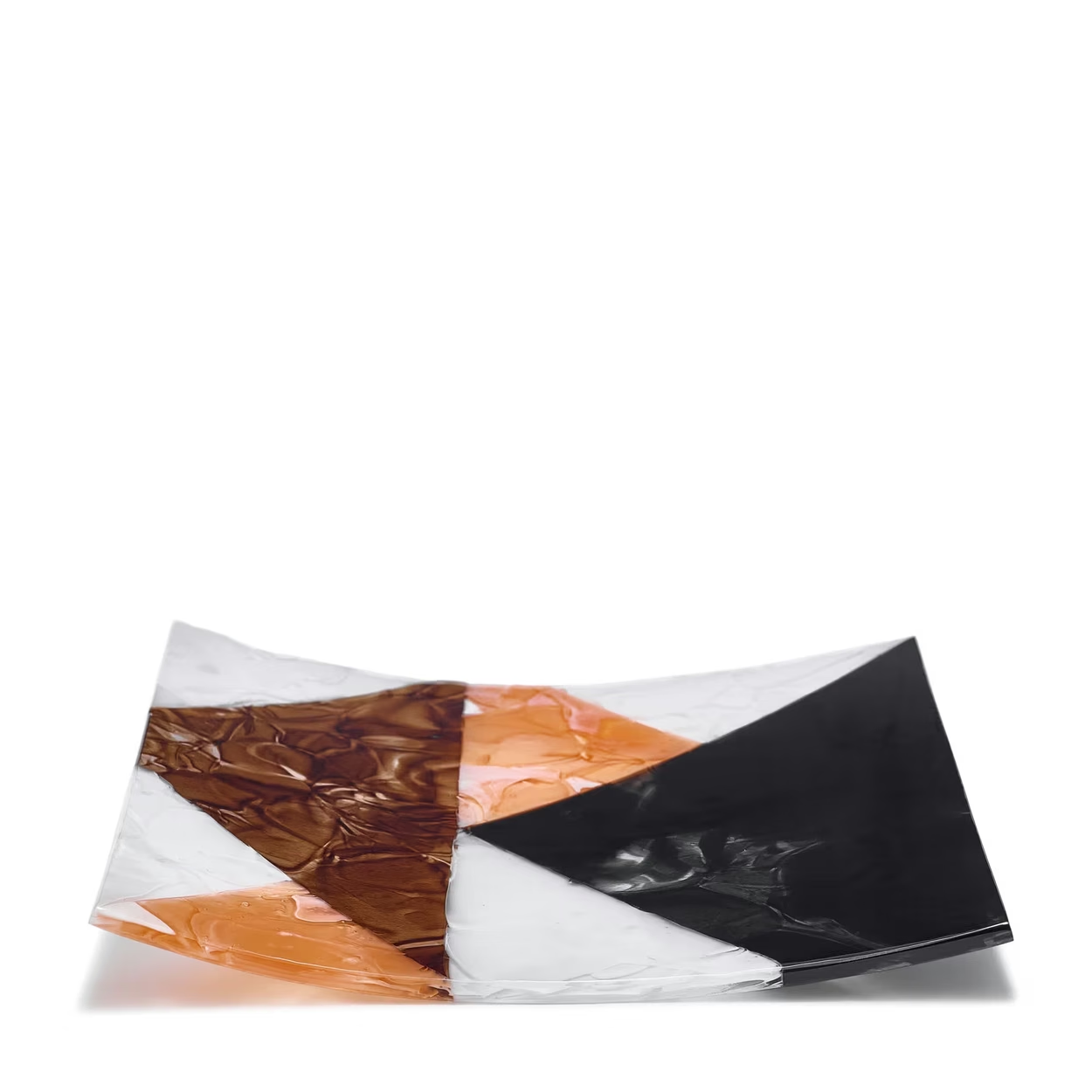
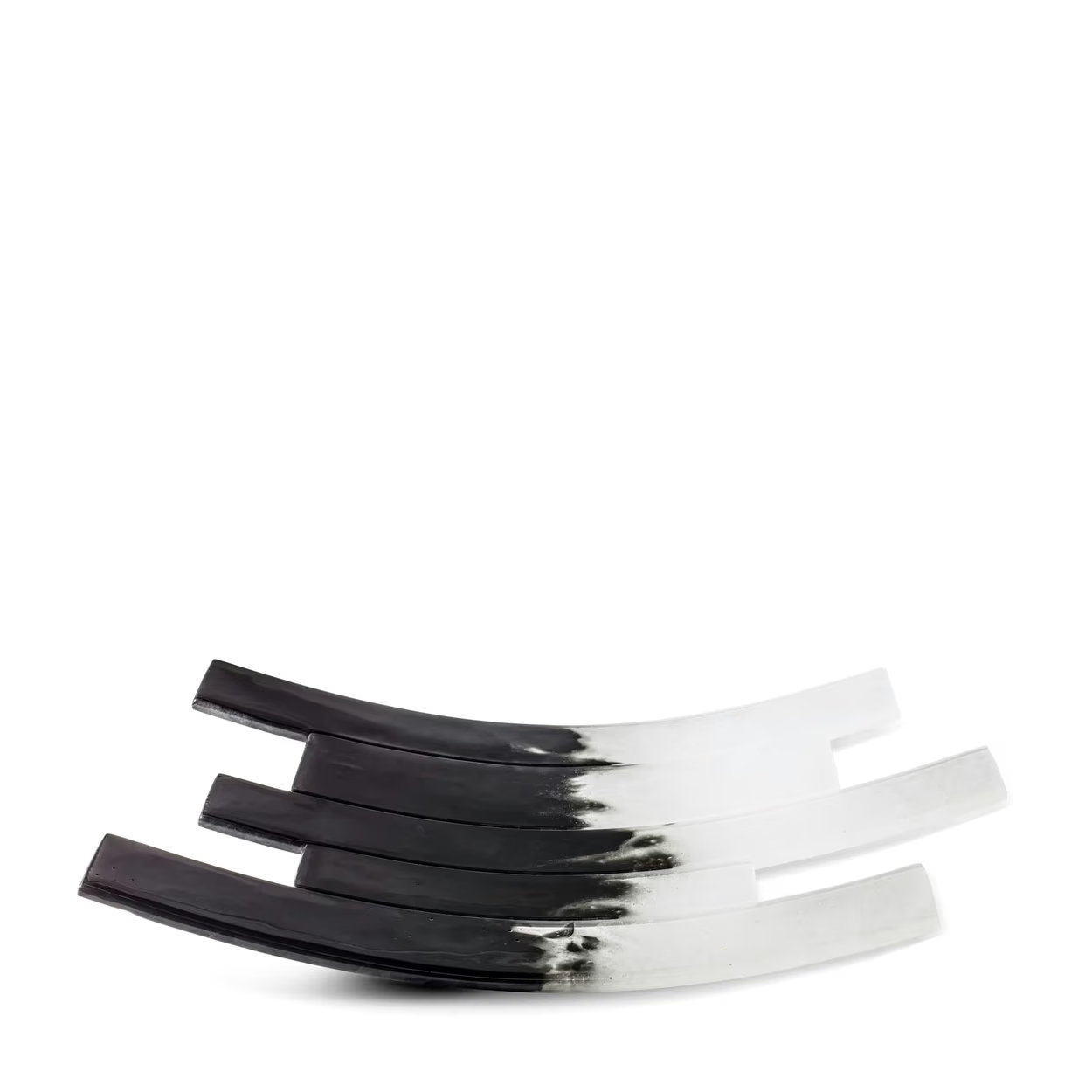
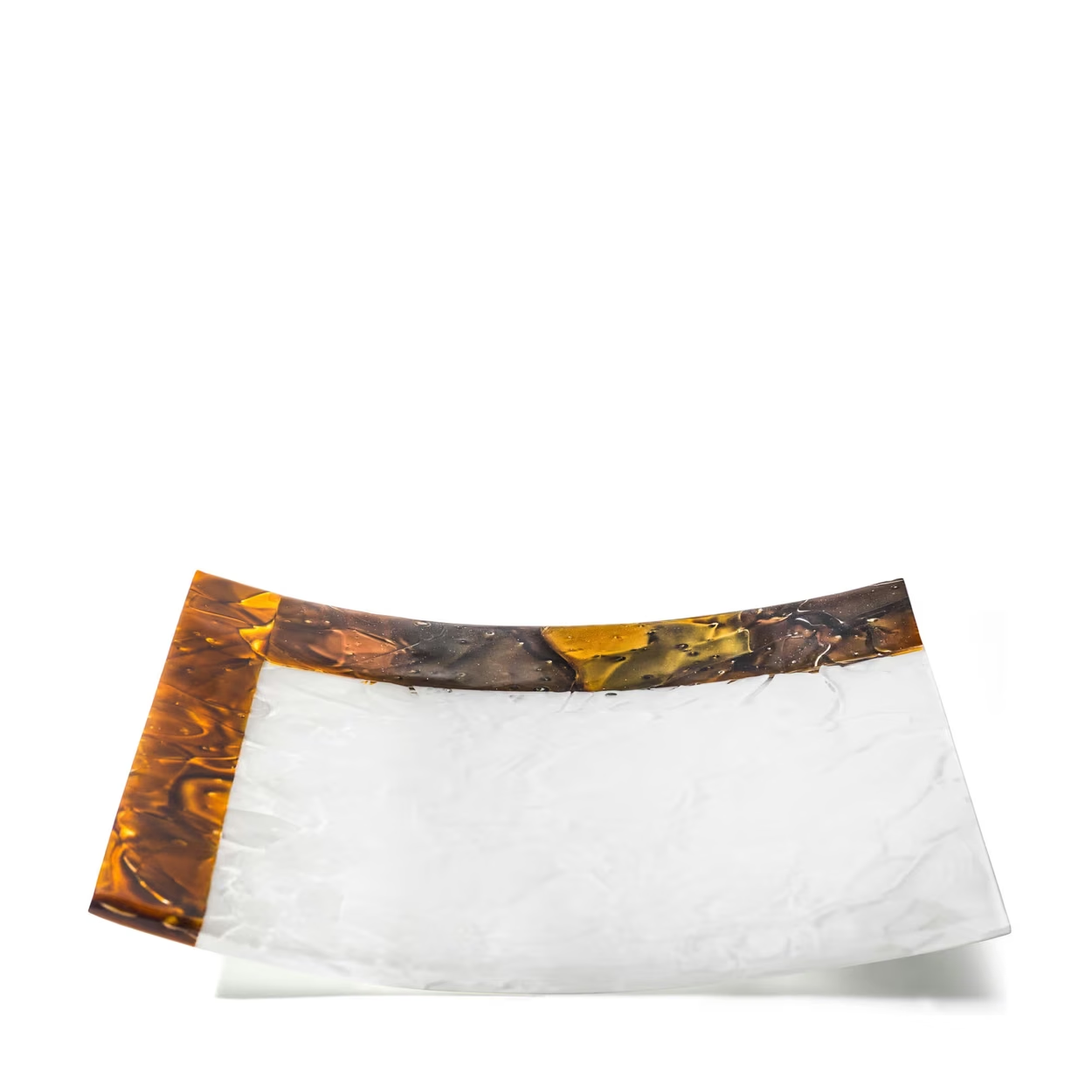
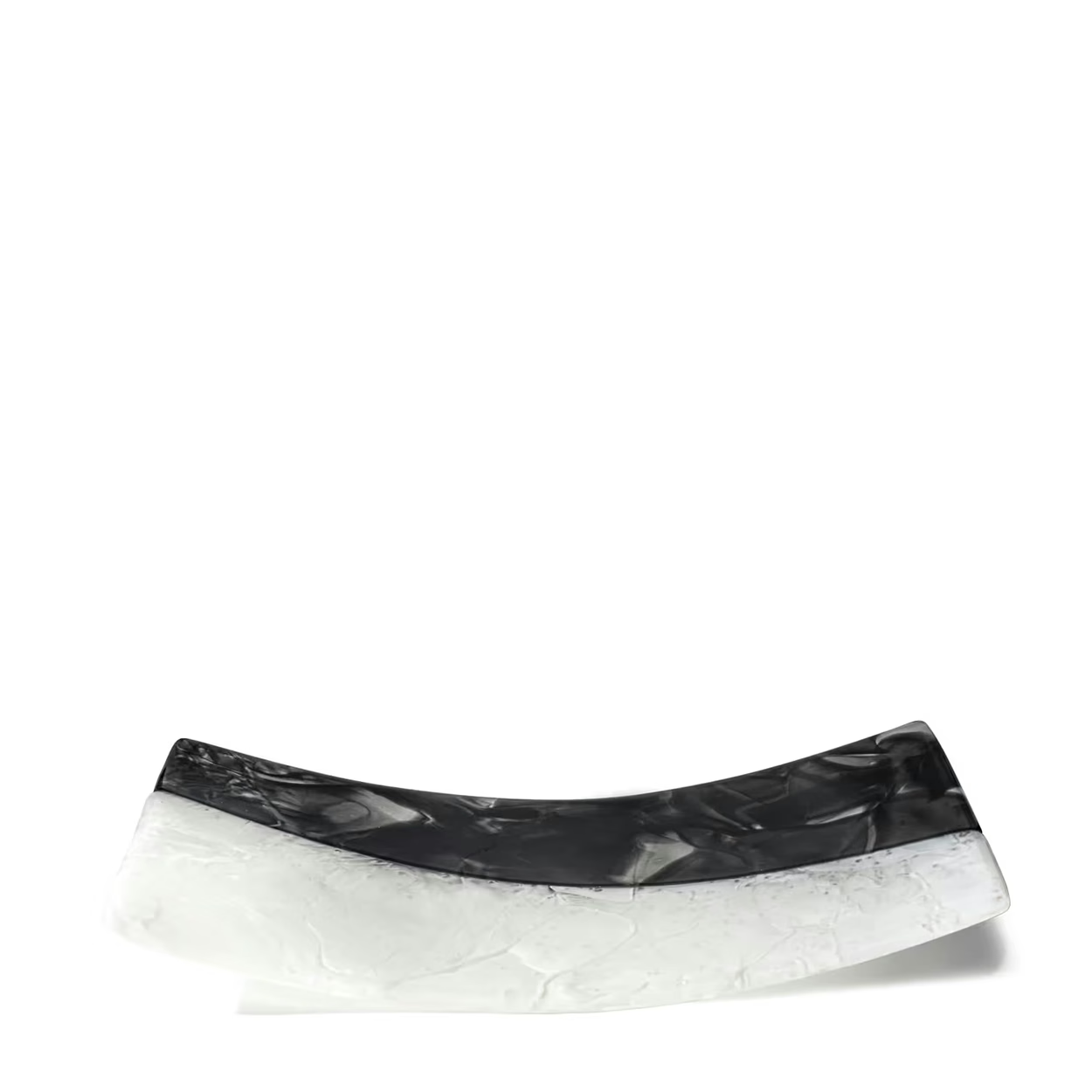
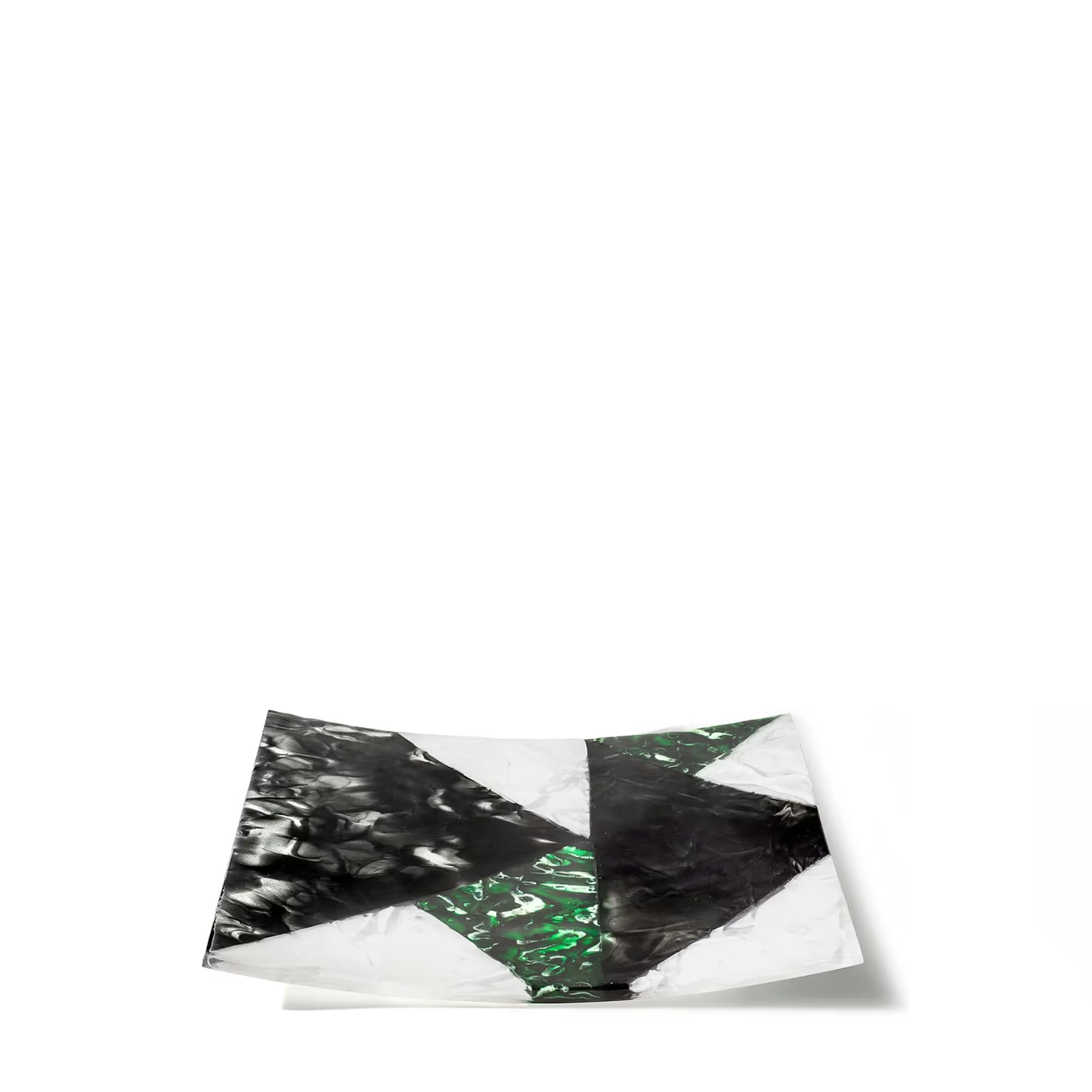
Senza Fine, the Italian phrase for “endless”, is the name of a new collection of decorative objects designed by Simona Sbordone. This impressive collection highlights the core value of sustainability, featuring the distinctive texture of BROKISGLASS as a key element, seamlessly integrated with concrete containing recycled glass shards and glass dust.







products
CATALOG
simona sbordone
BROKISGLASS ART DIRECTOR
Born in Naples, Simona Sbordone currently lives and works in Milan. Throughout her remarkable international career, she has collaborated with some of the most prestigious Italian design brands, building a global network of clients. Her expertise spans a wide range of fields, including interior design, scenography, decorative arts, and industrial design.
In addition to her creative projects, she has also worked as an editor for leading Italian design magazines.

Production
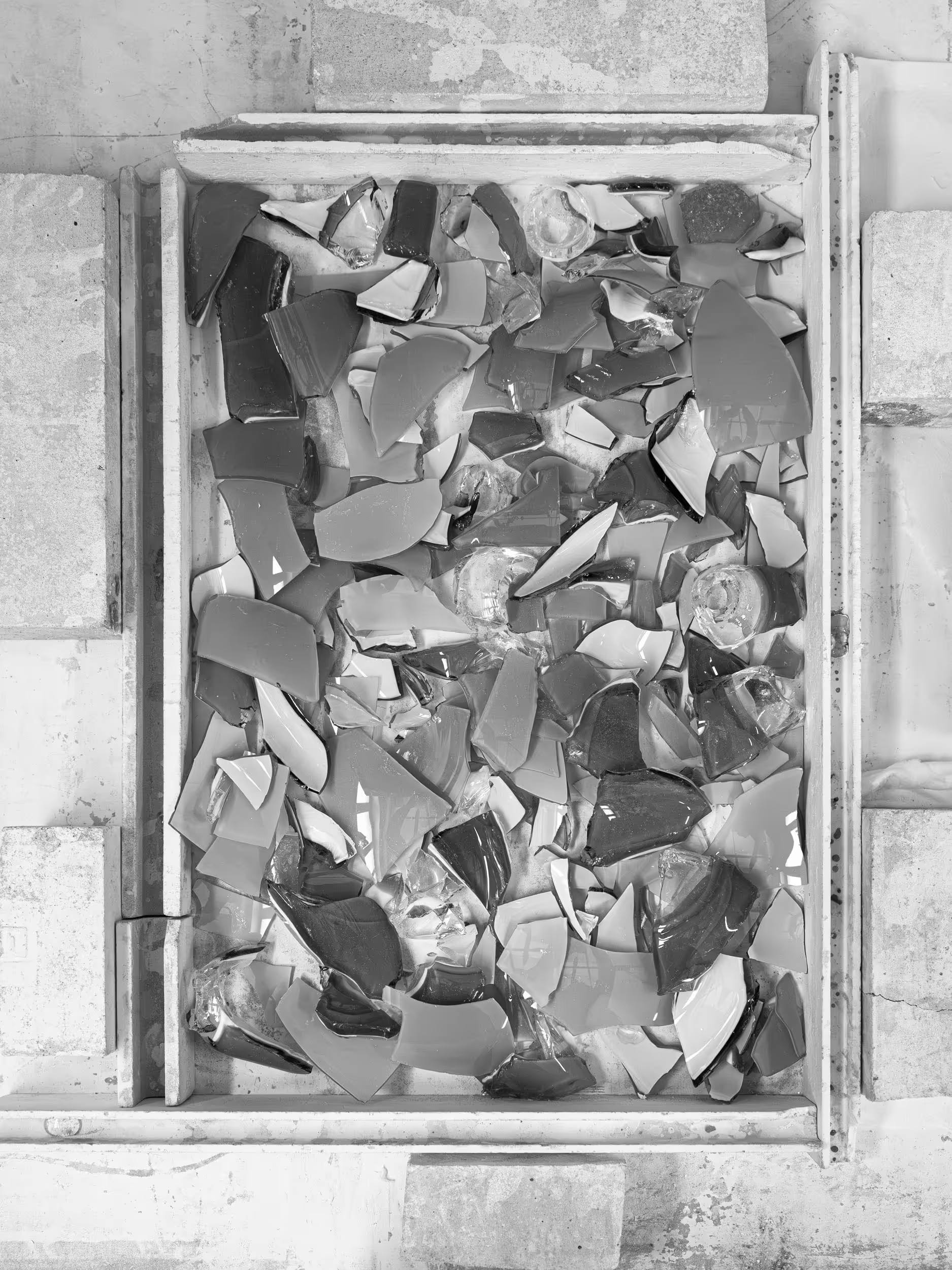
The production of BROKISGLASS involves several stages, during which glass shards are transformed into unique designer panels.
The process begins with crushing the shards and carefully arranging them in a mould. The next step is melting in a special furnace, where the material fuses into a solid panel with a distinctive colour composition and pattern. The final appearance can be customized by combining different colours and shard sizes.
Once fused, the panels are cut into the desired shape using a water jet. All surface, edge, and backing modifications are carried out according to the customer’s exact specifications.
This is the creation of BROKISGLASS, a material that can meet the unique demands of any project. The Story of Shards thus comes full circle in an almost zero-waste process.


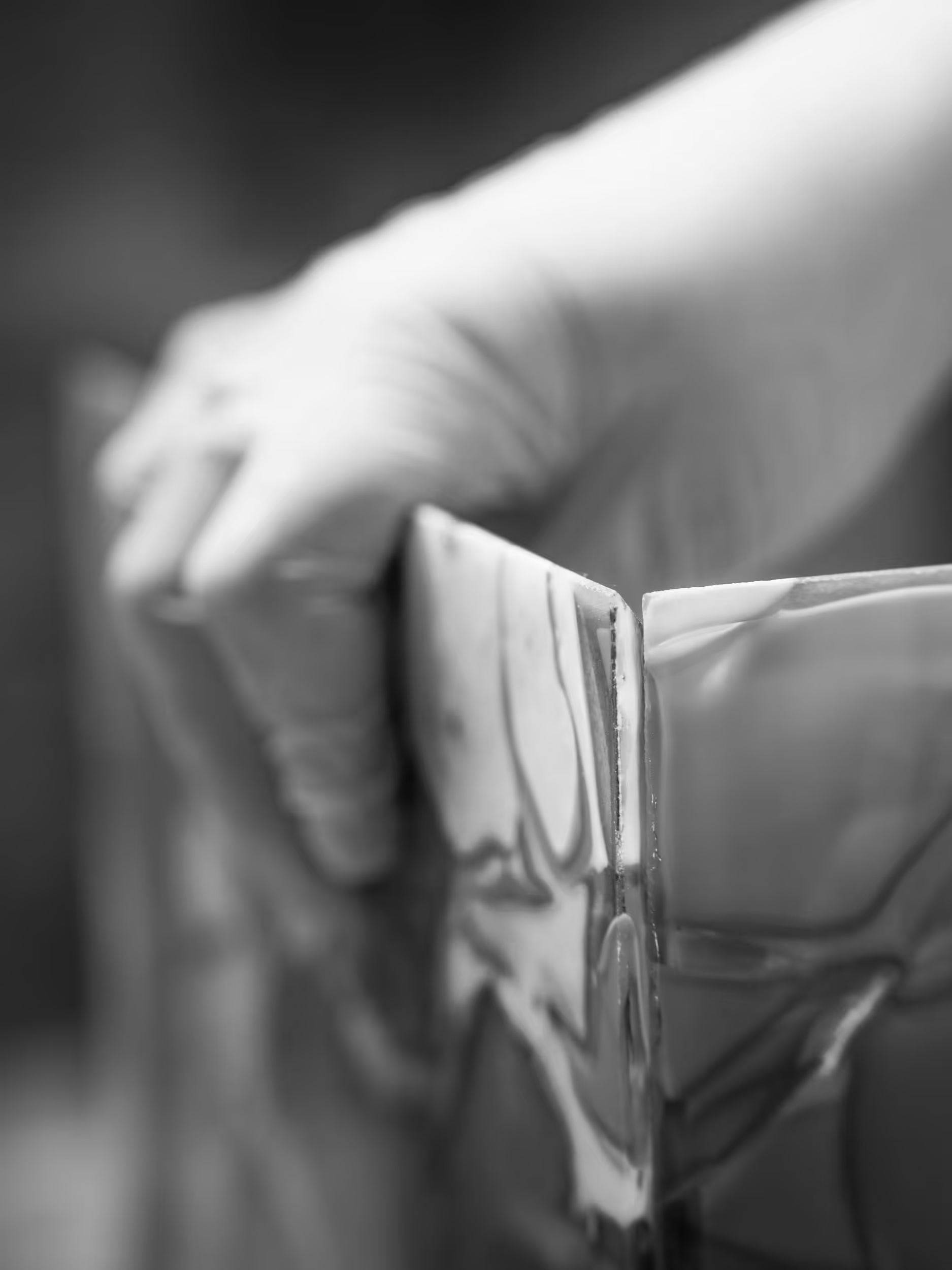
MATERIALS
The Senza Fine collection is crafted from two materials: BROKISGLASS and massif. The difference between these two variations lies in the raw material source and the stage at which the glass waste is collected and processed.
BROKISGLASS is made from shards produced as a byproduct of handblown glass manufacturing. During the glassblowing process, up to 30% of the glass must be broken off the pipe, which in conventional production would be transported to a landfill.
Massif is made from residual glass extracted from the glassmaking furnace. This molten glass has not been blown but is rather taken out from the furnace during maintenance and then cooled. It forms fragments that are chemically identical to fresh glass but can no longer be used for glassblowing.
The visual difference between these materials is significant: whereas BROKISGLASS panels retain the recognizable shapes of the individual glass shards used in their creation, massif has a more uniform, compact appearance, with soft, blended colour transitions.


TECHNICAL INFORMATION
Base variant
The SENZA FINE collection comprises a set of vases and trays.
Nominal dimensions
The dimensions of the individual products are specified in detail in the pictogram of the respective item. Due to the complexity of production – entirely handcrafted – any minor deviations in the final dimensions should be considered an innate characteristic of the piece.
Thickness
SENZA FINE products are made from BROKISGLASS panels or gradient frit panels with a thickness of 10 mm. We are actively working on standardizing panel thickness; however, minor isolated variations may still occur. These are more noticeable when using gradient frit material, where the transition effect is achieved by manually layering raw material of two different colours. This is not a material defect but rather a unique characteristic, and as such it cannot serve as the basis for a claim.
Weight
The average weight of each product is indicated on the product page on the right, among the specifications, or in the price list, which is available upon request in an electronic version.
Vase Colors
Currently, the collection includes a total of 12 colours: six selected colours from the standard BROKISGLASS range (dark green TO BG is supplied with oriented shards, meaning minimal representation of triplex opal (TO), i.e. white colour on the front side) + six gradient frits demonstrating a smooth transition from transparent glass to colour. For gradient frits, the precise direction of the colour transition (vertical/horizontal) is defined for each vase type. Additionally, for selected sizes of all-glass vases, a two-tone option is available. This is a BROKISGLASS variant of vases where the colour combination is entirely up to the customer’s choice.
Tray colors
The spectrum of available colours remains almost identical to that of the vases; however, there are exceptions where colours are predefined, limiting the selection to a specific range of combinations. It is always necessary to refer to other sales tools, such as the price list (available upon request in electronic form), for more detailed information.
Texture
Each piece is unique, influenced by various factors such as the fraction size of the shards, their orientation, dispersion, etc. It is a one-of-a-kind material, ensuring that every single piece is original.
Surface finish
By default, products are supplied with a gloss finish. An optional transparent matte finish is also available. The range of finishes may be limited, so please verify availability with the sales department prior to ordering at info@brokisglass.cz, or by phone at +420 567 211 729.
Edge, side finishes
SENZA FINE vases have visible side edges/surfaces finished with polishing. Trays are finished with a process called subtle polishing. This gentle edge polishing, occurring during the slumping process, creates a slight rounding of the edge along with a polished side surface. The surface is not matte but semigloss, similar to the visual surface of the tray itself.
Inside/back finish
The inside surfaces of the vases and the reverse sides of the trays are coated with a transparent protective layer called Hyperdesmo T. For vases and trays made from BROKISGLASS panels, this safety layer is left glossy, while for products made from frit, the surface is finished with a matte lacquer to achieve the desired effect. Applying the lacquer to the inside of the vases improves the material’s properties, making it less susceptible to free particles contained in water.
Notice: Never allow water in the vases to evaporate naturally. Despite the surface being treated with lacquer, natural evaporation may cause minerals, metals, or other substances in the water to deposit on the surface, resulting in minor visual changes. This can be prevented with proper handling—pouring out the water and drying the surface with an absorbent material. Any water marks that do appear will not affect functionality and are not grounds for a warranty claim.
Maintanance: Can be washed by hand using a mild detergent and a soft cloth, taking care to not scratch the lacquered surface. Do not leave to air dry.
Recommendations
Never allow water in the vases to evaporate naturally. Despite the surface being treated with lacquer, natural evaporation may cause minerals, metals, or other substances in the water to deposit on the surface, resulting in minor visual changes. This can be prevented with proper handling—pouring out the water and drying the surface with an absorbent material. Any water marks that do appear will not affect functionality and are not grounds for a warranty claim.
Maintenance
Can be washed by hand using a mild detergent and a soft cloth, taking care to not scratch the lacquered surface. Do not leave to air dry.
Material - general
In both cases, the product is made from residual material left over from the primary production of blown glass. The difference lies in how this material is obtained. BROKISGLASS shards come from discarded pieces of blown glass and from the end of the blowpipe, meaning they are layered glass, whereas frit is collected from the bottom of the furnace or pan. It therefore does not have the shape of a shard but rather forms irregular lumps.
BROKISGLASS shards x frita
In both cases, the product is made from residual material left over from the primary production of blown glass. The difference lies in how this material is obtained. BROKISGLASS shards come from discarded pieces of blown glass and from the end of the blowpipe, meaning they are layered glass, whereas frit is collected from the bottom of the furnace or pan. It therefore does not have the shape of a shard but rather forms irregular lumps.
Substrate Materials
Selected types of vases are complemented by concrete or wooden bases. In the case of concrete bases, glass, glass dust, and small glass shards make up to 60% of the volume. The wooden bases are made of European oak – black stained.
Other properties
Minimal absorptivity
High resistance to water and aggressive chemicals
Easy maintenance
High resistance to wearHigh resistance to odour absorption
Unmistakeable colouration and texture
100% safe and environmentally friendly
Waste from the segments is fully recycled by the manufacturer
Waterproofing
Water tightness testing of the vase itself is part of the final quality control.
Adhesives
The vases are assembled using Weicon or Loctite epoxy adhesives, which are also UV stable.
Defects
Bubbles in the glass
During the manufacturing process, small air bubbles may appear on the surface of the glass. These bubbles occur naturally and are not considered defects. They do not in any way diminish the product’s quality and therefore cannot be the subject of a warranty claim. All our products are subjected to multiple quality controls. Minor anomalies are characteristic of handcrafted production, and their occurrence in limited numbers with a sealed surface is not grounds for a warranty claim. Open bubbles are filled and finished with a UV-stable material.
Small pigment spots
Though rare, small pigment spots (< 1 mm) may occasionally occur. Pigment spots are the result of minerals that are not visible at the time of manufacture but become visible during the process. Pigment spots occur more often in the Triplex Opal (white) glass. Our quality control standards do not permit pigment spots in more than 5% of the surface area. Such anomalies are unique trademarks of handmade glass.
Hairline cracks in the surface of the glass
When they appear at joints between individual fragments, they are not grounds for a warranty claim. Such cracks are superficial only and do not extend into the material, thus they have no effect on the declared properties of the material.
.jpg)